
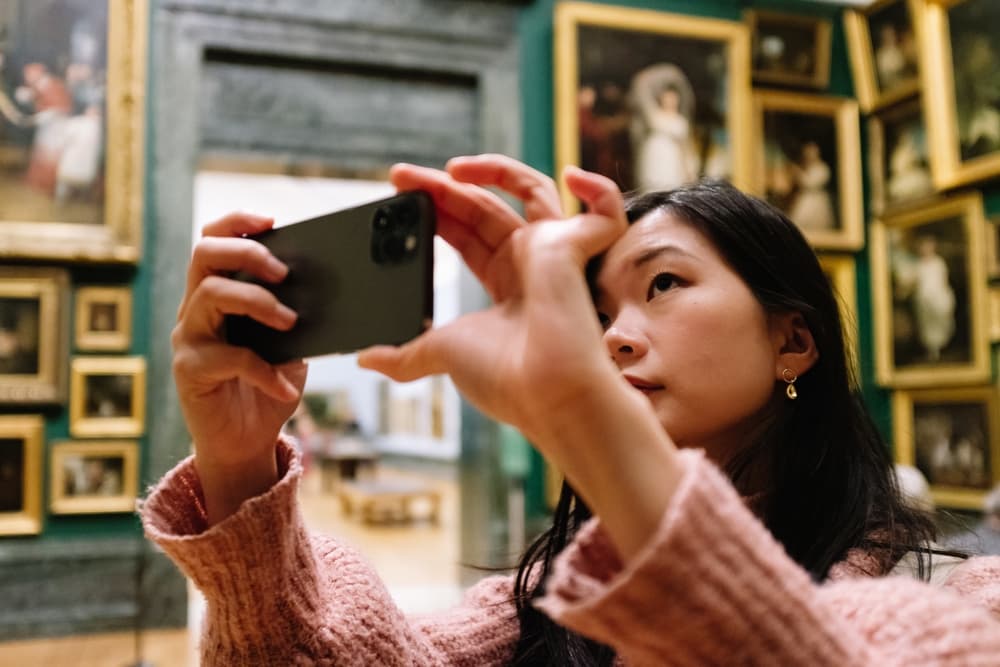
Many people think of museums as educational spaces, but research shows they offer much more. Studies published through the American Alliance of Museums report that museum visits can lower stress, support emotional well-being, and provide meaningful mental health benefits. In a busy world where adults juggle work, family, and constant digital noise, quiet and grounding spaces matter more than ever.
That’s why exploring the benefits of art for mental wellbeing, the mindful moments museums naturally create, and the overall connection between museums and mental health is so valuable. These environments aren’t just for learning, they’re powerful spaces for calm, reflection, and emotional reset.
Why Museums Are Powerful Spaces for Emotional Wellbeing
Museums offer something most of us struggle to find in daily life: a natural slowdown. The moment someone steps inside, the pace shifts. There’s no rushing, no pressure, and no expectation to perform or be productive. In Reno, we have The Nevada Museum of Art, which offers diverse and traveling exhibits, workshops, classes, and more to support relaxation and mindfulness.
Museums’ quiet, restorative atmosphere acts as a subtle invitation to breathe more deeply. The absence of constant notifications and screens makes it easier to disconnect from stress and reconnect with your internal world.
In simple terms, museums gently encourage us to be present. When you’re surrounded by art, history, or culture, your mind naturally settles into a slower, more grounded rhythm, something our daily routines rarely provide.
The Mental Health Benefits of Engaging with Art and Culture
Spending time with art and cultural objects can affect our emotional landscape in real and meaningful ways. Some of the most common benefits include:
- Reduced stress and anxiety: Calm environments paired with visual storytelling help settle the nervous system.
- Improved mood: Color, creativity, and beauty can lift spirits and interrupt negative thought loops.
- Increased feelings of connection and belonging: Exhibits often reflect shared human experiences.
- Creative inspiration: New visuals and ideas spark curiosity and fresh thinking.
- Emotional expression: Art gives us language through color, shape, or symbolism for emotions that may be hard to name.
- Exposure to new perspectives: This gentle stretch of the imagination helps build emotional resilience.
Art meets people where they are and offers a compassionate space to explore feelings at their own pace.
How Museums Help People Practice Mindfulness Without Trying
Even people who struggle with traditional meditation often find mindfulness naturally at a museum. The environment itself encourages it.
- Slow pacing allows for mindful breathing and relaxed movement.
- Observing art uses grounding skills by shifting attention to details, textures, and colors.
- Quiet rooms offer a sensory reset for overstimulated minds.
- Reflective galleries help reduce overwhelm and create emotional clarity.
- Gentle walking through exhibits provides soothing, low-impact movement.
Visitors can even use simple, informal mindfulness prompts during their visit:
- What’s one detail I notice in this piece?
- What emotion does this color bring up?
- What’s something calming I can focus on in this room?
These tiny moments of awareness can transform a museum visit into a deeply restorative experience.
How Museums Support Connection and Meaning
Museums are places where people reconnect with others and themselves. Sharing an exhibit with a partner, friend, or family member strengthens emotional bonds. Community events and workshops create a sense of belonging.
Exhibits that explore cultures, traditions, and human stories help build empathy and remind us of a bigger picture beyond day-to-day stress. Many visitors leave feeling inspired or re-centered, carrying renewed motivation or hope into the rest of their week.

Practical Ways to Use Museums as a Mental Health Tool
For busy adults, museum visits don’t need to be long or planned around a full free day. A few simple approaches can turn museums into practical wellbeing tools:
- Schedule 30–45 minute micro visits.
- Use museum stops as low-stress breaks during errands or busy weekends.
- Go alone for quiet reflection, or bring someone if you want connection.
- Pick exhibits that feel soothing, like nature photography, history rooms, or soft-color galleries.
- Bring a journal to note emotions, ideas, or favorite pieces.
- Walk slowly and practice deep breathing between rooms.
- Treat your time there as a mental reset, not a checklist of things to learn.
These small choices can make a big difference in how centered and grounded you feel.
When Visiting a Museum Might Be Especially Helpful
Museum visits can be particularly helpful for people experiencing mild to moderate anxiety or overwhelm. They’re a supportive option:
- After stressful workweeks
- When screens and notifications feel exhausting
- During major life transitions
- On days when quiet time feels needed
- When facing big decisions or seeking clarity
- When creativity or motivation feels low
Because museums blend calm, curiosity, and reflection, they offer the perfect pause point for recalibration.
Supporting Your Mental Health With Professional Guidance
Restorative activities like museum visits can complement therapy in meaningful ways. Counselors often help people explore why certain colors, images, or environments feel calming and how these experiences can support long-term emotional regulation.
At Mind and Body Counseling Associates in Reno, therapists integrate approaches that strengthen coping skills and emotional awareness, including strategies for anxiety management, stress reduction, mindfulness, and grounding. Our services provide deeper support for people who want to build stability, self-understanding, and emotional balance in everyday life.
Find Calm, Inspiration, and Support
If you’re looking for simple ways to bring more calm into your routine, museums can be a beautiful place to start. They offer quiet, space, and a gentle invitation to slow down—something many of us crave without knowing it.
And when you’re ready for more personalized guidance, Mind Body Counseling Reno is here to help you build tools that fit your life. Reach out today to begin your path toward steadier, calmer days.