
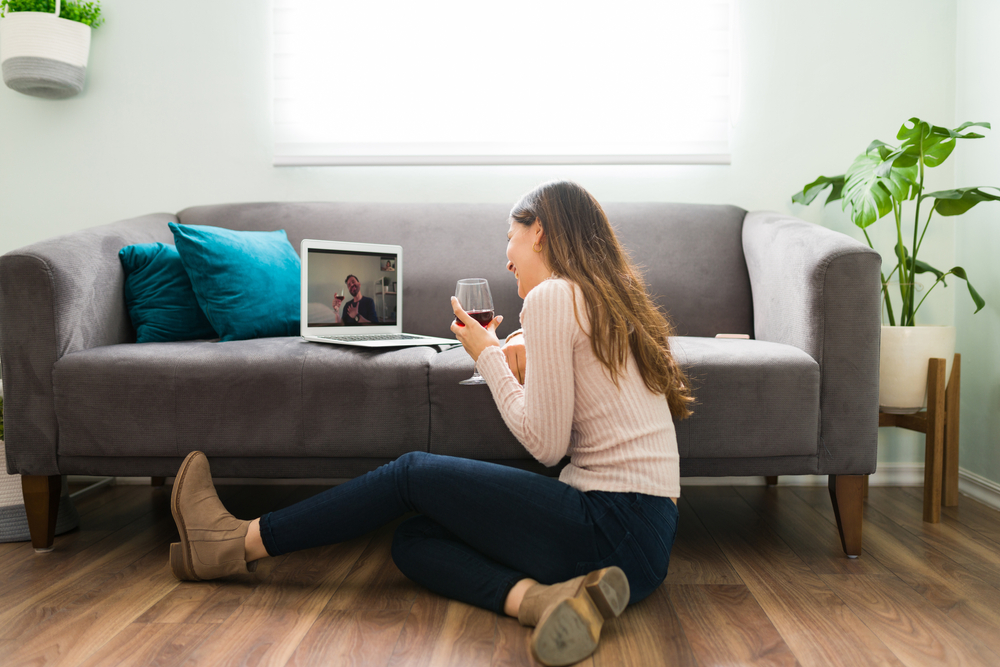
Long-distance relationships (LDRs) have always required extra effort, patience, and creativity. But thanks to social media, modern couples now have more tools than ever to stay connected. Whether separated by cities, countries, or continents, partners can now share, talk, laugh, and experience life together—even from miles apart.
Social media has dramatically reshaped how couples communicate, offering a unique lifeline for relationships that lack physical proximity. From daily photo updates to spontaneous video calls, the digital space is where many LDRs thrive.
In this article, we’ll explore how social media helps bridge the gap, its benefits and drawbacks, and how to handle long long-distance relationship challenges using thoughtful, tech-savvy strategies.
What Is a Long-Distance Relationship in the Social Media Age?
A long-distance relationship is a committed relationship where partners live far enough apart that regular in-person time is limited. Social media, texting, and video calls help couples share everyday moments and stay emotionally connected. Even with constant digital access, healthy long-distance relationships still depend on trust, boundaries, clear expectations, and meaningful communication.
Long-Distance Relationship vs. Long-Distance Situationship
A long-distance relationship usually includes mutual commitment, clear expectations, and shared plans for the future. A long-distance situationship may involve emotional or romantic connection without the same clarity about exclusivity or commitment. Honest conversations about boundaries, communication, and intentions can help both people understand where the relationship stands.
Social Media as a Connection Tool
Bridging Geographical Gaps
Before smartphones and messaging apps, staying in touch meant expensive phone calls or waiting days for a letter. Now, social media instantly bridges the distance. Platforms like Instagram, Snapchat, and WhatsApp make real-time updates and conversations accessible no matter the time zone, helping couples feel emotionally closer despite the miles.
Enabling Frequent, Informal Communication
Gone are the days of long silences between updates. Social media enables spontaneous communication—think memes, comments, selfies, and reactions. These quick, low-pressure interactions reinforce intimacy without requiring long, scheduled conversations. They mimic the casual banter shared by couples who live in the same city.
Sharing Daily Life Moments
Whether it’s a morning coffee shot, gym progress, or silly pet video, social media allows partners to stay present in each other’s routines. This consistency is crucial in long-distance dynamics. Sharing daily life moments helps partners feel seen and involved, especially when physical presence isn’t an option. For those wondering if internet relationships work, this level of constant connection proves that emotional closeness doesn’t depend solely on geography.
Benefits for LDRs
Maintaining Emotional Intimacy
Social media strengthens emotional intimacy by encouraging constant connection. Likes, messages, and video calls act as daily reminders of love and attention. Emojis, video stories, and even joint playlists allow for a level of digital affection that, while different from physical touch, still nurtures emotional closeness.
Shared Experiences (e.g., Watching Shows Together, Gaming)
Couples can now enjoy synchronous experiences even when apart. Watching Netflix together using platforms like Teleparty or gaming on shared servers can foster bonding and shared memories. These moments create inside jokes, emotional cues, and rituals that strengthen the relationship—valuable long distance relationship tips often emphasize the importance of making time for shared fun.
Feeling Present in Each Other’s Lives
Real-time updates and social check-ins give couples a sense of presence. When you know what your partner had for lunch, how their day went, or what playlist they’re into, you feel connected. Being included in life’s small moments can reinforce love, even without physical proximity.
Challenges and Pitfalls
Misinterpretation of Tone/Intent
Text lacks tone, which means sarcasm, frustration, or even affection can be misread. Emojis and gifs help, but digital communication often lacks emotional nuance. Misunderstandings can cause friction if not addressed calmly. In some cases, couples find relationship counseling tips useful to navigate repeated communication issues online.
Pressure to Constantly Be “Available”
The expectation of instant replies or continuous engagement can become overwhelming. One partner may feel neglected if the other is busy or less active online. This pressure can lead to burnout or resentment. It’s crucial to recognize that needing space doesn’t mean a lack of love.
Comparison to Idealized Online Relationships
Social media showcases picture-perfect relationships. It’s easy to compare your real, sometimes messy LDR to someone else’s curated feed. These comparisons can create unrealistic expectations and insecurity. Remember, social media often hides more than it reveals.
Privacy Concerns and Oversharing
While it’s tempting to post everything, boundaries are essential. Oversharing personal moments can backfire or invite unwanted opinions. Some couples disagree on what should be public, which can lead to tension. It’s important to agree on what’s private and what’s okay to share.

When Social Media Blurs the Line Into a Situationship
Frequent messages, video calls, likes, and daily updates can make an online connection feel deeply intimate without defining the relationship. In a long-distance situationship, social media may create closeness while commitment remains unclear. Talking openly about exclusivity, expectations, and future plans can help both people understand whether the connection is actually progressing.
Best Practices for Healthy Use
Set Clear Communication Expectations
Clarify how often you’ll talk and which platforms work best for both. Discuss what matters most—quick check-ins, long video calls, or voice notes. Knowing what to expect helps both partners feel secure and understood, reducing the risk of miscommunication or unmet needs.
Prioritize Quality Over Quantity of Interaction
Rather than texting all day, schedule focused time for meaningful conversations. This approach avoids burnout and ensures each interaction holds value. Prioritizing intentional communication can help build emotional depth, a cornerstone of healthy LDRs. For some couples, couples therapy Reno services have helped reinforce this practice.
Use Diverse Communication Methods (Calls, Video Chats)
Switching up how you connect can prevent stagnation. Voice calls, video chats, surprise mail, and even shared online calendars can add variety. Video calls especially allow for better emotional expression and visual connection, strengthening the bond.
Be Mindful of Jealousy and Trust Issues
Seeing your partner like, follow, or comment on other people’s posts can trigger jealousy. Discuss boundaries openly and reinforce trust regularly. Transparency, not control, is key. Recognizing that social media doesn’t always reflect reality helps manage insecurities and maintain emotional safety in the relationship.
Frequently Asked Questions About Long-Distance Relationships
Can a long-distance relationship survive on social media alone?
Social media can help a long-distance relationship stay connected, but it should not be the only foundation. Healthy couples also need trust, honest conversations, shared expectations, and meaningful time together online or in person. Loving from a distance works best when digital communication supports, rather than replaces, deeper emotional connection.
How much daily contact is healthy when going the distance for love?
There is no perfect amount of daily contact when going the distance for love. Some couples enjoy frequent messages, while others prefer scheduled calls and more personal space. The healthiest routine is one both partners agree on, allowing consistent connection without creating pressure, resentment, or expectations of constant availability throughout the day.
How do you tell a long-distance situationship from a real relationship?
A long-distance situationship often feels unclear because commitment, exclusivity, or future plans have not been defined. A relationship usually includes mutual expectations and open conversations about where things are heading. If one person avoids discussing commitment or consistently gives mixed signals, it may be time to clarify the connection directly.
Navigating Love and Distance with Intention
Long-distance relationships thrive when both partners approach social media with care and purpose. While digital tools can’t replace physical presence, they can nurture emotional closeness and daily connection. With clear boundaries, trust, and intentional communication, couples can grow stronger—proving that meaningful love can flourish across screens and miles, one thoughtful message at a time.
Want more support for your long-distance journey? Explore expert guidance and personalized support with Mind and Body Counseling Associates to strengthen your connection. Contact us today for expert advice on long-distance relationships.