
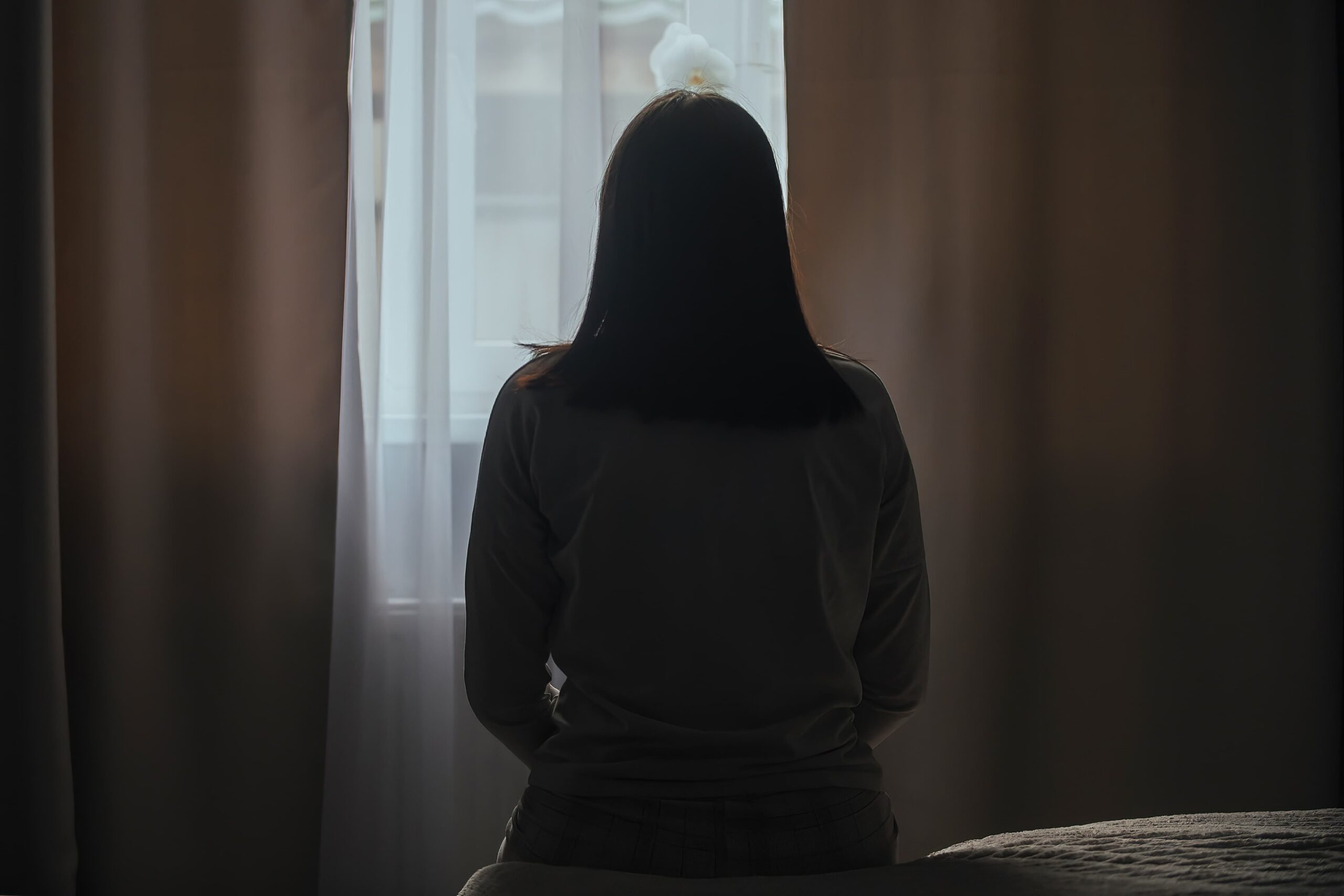
Seasonal affective disorder is a mood disorder that typically follows a seasonal pattern, most commonly occurring during the fall and winter months when daylight hours are shorter. Changes in light exposure, daily routines, and activity levels are believed to influence mood regulation, which is why symptoms often appear around the same time each year.
This article is meant to offer general mental health education, not a diagnosis. Understanding the symptoms of seasonal affective disorder can help individuals recognize patterns in their emotional well-being and determine when additional support may be beneficial. According to the National Institute of Mental Health, about 5% of adults in the United States experience seasonal affective disorder in a given year, with many more experiencing milder seasonal mood changes.
By learning how SAD typically presents and how it differs from other forms of depression, readers can better understand their experiences and feel more confident seeking clarity and care when needed.
What Is Seasonal Affective Disorder and How Is It Different From Depression?
Seasonal affective disorder, often referred to as SAD, is characterized by recurring mood changes that follow a seasonal pattern. For many people, symptoms begin in late fall or early winter and improve during the spring or summer. Less commonly, some individuals experience symptoms during the warmer months.
When comparing SAD vs depression, the key difference lies in timing and predictability. Major depressive disorder does not depend on the seasons and can occur at any time of year, while SAD symptoms tend to return during specific months. Both can involve similar emotional challenges, but SAD is closely tied to environmental and seasonal changes.
Understanding this distinction is about awareness, not self-diagnosis. A mental health professional can help determine what may be contributing to a person’s symptoms and what type of support may be appropriate.
What Are the Most Common Seasonal Affective Disorder Symptoms?
Seasonal affective disorder symptoms often affect emotional, behavioral, and physical well-being. While experiences vary from person to person, common patterns tend to emerge.
Emotionally, people may notice persistent low mood, feelings of sadness, hopelessness, or irritability. Motivation may decline, and activities that once felt enjoyable may no longer elicit the same level of interest or satisfaction.
Behavioral changes may include withdrawing from social interactions, struggling to maintain routines, or finding it harder to complete everyday tasks. Some people experience changes in sleep patterns, such as sleeping more than usual.
Physical symptoms associated with seasonal depression can include low energy, fatigue, increased appetite, or cravings for carbohydrates. These changes are not merely about “winter blues” and can feel overwhelming when they persist.
How Is Winter Depression Different From Normal Seasonal Changes?
It’s normal for mood and energy levels to shift slightly with the seasons. Shorter days and colder weather can naturally lead to reduced activity or increased fatigue. However, winter depression goes beyond these temporary adjustments.
The difference often lies in duration, severity, and impact on daily functioning. When symptoms last for weeks or months, interfere with work or relationships, or make it difficult to care for oneself, it may indicate more than a typical seasonal slowdown.
Recognizing when symptoms are persistent and disruptive is an important step. Professional support can help clarify whether what someone is experiencing aligns with seasonal affective disorder or another mental health concern.
What Treatment Options Are Commonly Used for SAD?
Support for seasonal affective disorder typically involves a combination of approaches tailored to the individual. Therapy-based support is commonly used to help people explore mood patterns, develop coping strategies, and manage emotional challenges connected to seasonal changes.
Lifestyle strategies may also be discussed, such as maintaining routines, prioritizing sleep, and staying connected with others during more isolating seasons. Some individuals explore light therapy as part of their overall support plan, though it should always be considered with professional guidance.
These approaches fall under the broader umbrella of sad disorder treatment, which focuses on improving quality of life and emotional balance rather than offering quick fixes or guarantees.
When Should Someone Seek Help for Seasonal Affective Disorder?
It may be time to seek professional support when symptoms persist for several weeks, return year after year, or begin to affect daily responsibilities, relationships, or overall well-being. Feelings of ongoing sadness, emotional numbness, or difficulty functioning are important signals to take seriously.
Reaching out for help is not a sign of failure or weakness. It is a proactive step toward understanding what’s happening and finding support that feels aligned with personal needs and values.
Seasonal Depression Support at Mind and Body Counseling Associates
At Mind and Body Counseling Associates, we provide compassionate counseling support for individuals navigating seasonal mood changes, depression, and anxiety. As a local practice in Reno, Nevada, we understand how seasonal shifts can affect emotional health, particularly during the long winter months.
We provide a supportive environment where clients can explore symptoms, identify patterns, and develop coping strategies at a pace that feels comfortable. If you’d like to learn more about how we support depression and anxiety-related concerns, we invite you to explore our conditions we treat page for additional information about counseling options.
What Reno Clients Are Saying
Choosing to seek mental health support is a personal decision, and hearing from others who have taken that step can help alleviate uncertainty. Many of our patients share that feeling safe, heard, and supported made a meaningful difference in their experience.
- G.B – “Dr. Diana has created a safe place to do the work you need to do in order to overcome the challenges of living in today’s society and our current environment. I have grown immensely since working with Mind and Body Counseling. Thank you!”
- K.S – “I have finally found a therapist that listens and makes me think by asking the right questions. I am so happy I have found a place that feels like a hug when you walk in the door.”
- C.M – “Best therapist I’ve had in awhile, if ever. The whole office is very friendly, and the atmosphere is very relaxing, exactly how a mental health clinic should be.”
Our goal is to offer a space where people feel comfortable being themselves, exploring their concerns, and taking steps toward greater clarity and emotional well-being.
What to Remember About Seasonal Affective Disorder Symptoms
Seasonal affective disorder symptoms often follow familiar patterns as the seasons change, and experiencing them can feel confusing or isolating. Even when these shifts seem predictable, they can still have a real impact on how you feel day to day. Noticing these changes early can simply be a way of offering yourself understanding and care.
When emotional or physical changes begin to affect your daily life, relationships, or sense of balance, having someone to talk with can provide relief and perspective. Support doesn’t mean something is “wrong,” it means you’re giving yourself space to be heard and supported.
If seasonal changes in mood or energy have been lingering for you, our team at Mind and Body Counseling Associates is here to help. We offer a calm, compassionate environment where you can talk openly, feel understood, and explore what support might look like for you, at your own pace.