According to the National Alliance on Mental Illness, nearly 1 in 5 adults in the United States experiences a mental health condition each year, underscoring how essential strong, supportive communities are to overall well-being.
Mental health does not exist in isolation. The environments we live in, the relationships we build, and the sense of belonging we feel within our communities all play a powerful role in emotional well-being. When people feel connected, supported, and understood, both individuals and communities are more likely to thrive.
Communities function best when members feel safe asking for help, sharing experiences, and accessing mental wellness resources without fear or stigma. Many residents in Reno benefit from community-based approaches that prioritize well-being, connection, and mutual support. The purpose of this article is to help readers better understand how mental health and community wellness are connected, and how small, intentional actions can help build healthier, more supportive environments for everyone.
What Do We Mean by Mental Health and Community Wellness?
Mental health refers to emotional, psychological, and social well-being, influencing how individuals think, feel, communicate, and handle stress. Community wellness expands this concept beyond the individual, focusing on how shared environments, relationships, and social structures support collective well-being.
Community wellness is shaped by how people relate to one another, how openly they communicate, and how willing they are to offer and accept support. Healthy communities foster inclusion, trust, and cooperation, creating spaces where people feel valued and understood rather than isolated.
Supporting individuals in developing emotional awareness, communication skills, and resilience plays a direct role in strengthening the broader community. Through professional counseling services, individuals can build the personal tools that naturally contribute to healthier relationships, workplaces, families, and neighborhoods.
Why Community Support Matters for Mental Well-Being
Strong communities provide a foundation for mental well-being by offering access to shared resources, emotional support networks, and collective resilience during challenging times. Feeling connected to others can reduce loneliness, increase coping capacity, and create a sense of purpose.
The CDC emphasizes the importance of social connection, noting that strong relationships are associated with longer life expectancy and better mental health outcomes.
When people feel supported by those around them, stress levels often decrease, and feelings of belonging increase. Community wellness reinforces the idea that individuals do not have to face challenges alone. In turn, this shared support helps normalize help-seeking and strengthens emotional safety across the community.
Barriers That Prevent Communities From Supporting Mental Health
Despite the importance of connection, many communities face obstacles that limit their ability to support mental well-being effectively. Social stigma remains a major barrier, often discouraging open conversations about mental health. Misinformation or lack of education can further reinforce harmful assumptions and misunderstandings.
Limited access to supportive resources, fear of judgment, and discomfort with vulnerability also prevent individuals from reaching out or engaging with others. In Northern Nevada, rapid growth and changing community dynamics can make it harder for people to feel connected, especially as neighborhoods, workplaces, and social circles shift.
Therapy can help individuals rebuild confidence in communication, learn how to set healthy boundaries, and develop trust in relationships. Support for a wide range of emotional and psychological concerns is available through conditions treated, allowing individuals to strengthen their personal well-being while positively influencing the communities they are part of.
How Individuals Can Strengthen Community Wellness
Community wellness grows through everyday actions, not just large-scale initiatives. Individuals play an essential role in shaping healthier social environments by practicing simple, intentional behaviors.
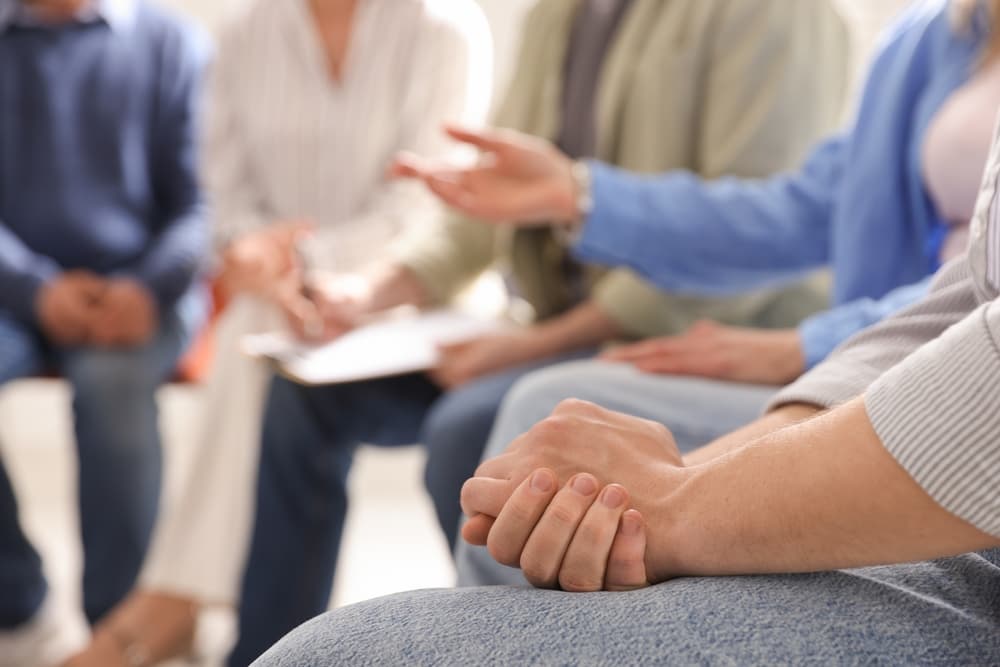
Active listening helps others feel heard and respected, laying the groundwork for trust and understanding. Participating in group activities, whether social, recreational, or volunteer-based, creates opportunities for meaningful connection. Starting small conversations about well-being can normalize mental health discussions and reduce stigma over time.
Supporting peers during stressful periods, even through brief check-ins or words of encouragement, reinforces collective resilience. These actions directly contribute to mental health and community wellness by fostering empathy, connection, and shared responsibility for well-being.
Where to Find Support for Mental Health and Community Wellness in Reno
Building a healthier community often begins with individual growth. Professional support helps people develop emotional regulation, communication skills, and coping strategies that naturally strengthen their relationships and environments. Access to counseling services and support for various conditions treated allows individuals to work toward personal well-being while contributing positively to the people around them.
Small acts of support help strengthen the broader Reno community, creating a culture where connection and understanding are prioritized. If you are looking for support in strengthening your well-being and your role within the community, you can contact our team to get started.