Finding time to address relationship problems can feel difficult when work, family responsibilities, and unresolved tension already compete for your attention. For many partners, getting to a counseling office adds another obstacle to seeking support.
Virtual couples therapy can provide a practical way to work on your relationship with professional guidance. Research suggests that video-based sessions can help participating couples improve relationship satisfaction, although results depend on the treatment, circumstances, and people involved. Understanding how online and in-person counseling differ can help you choose an approach that supports meaningful progress.
What Is Virtual Couples Therapy?
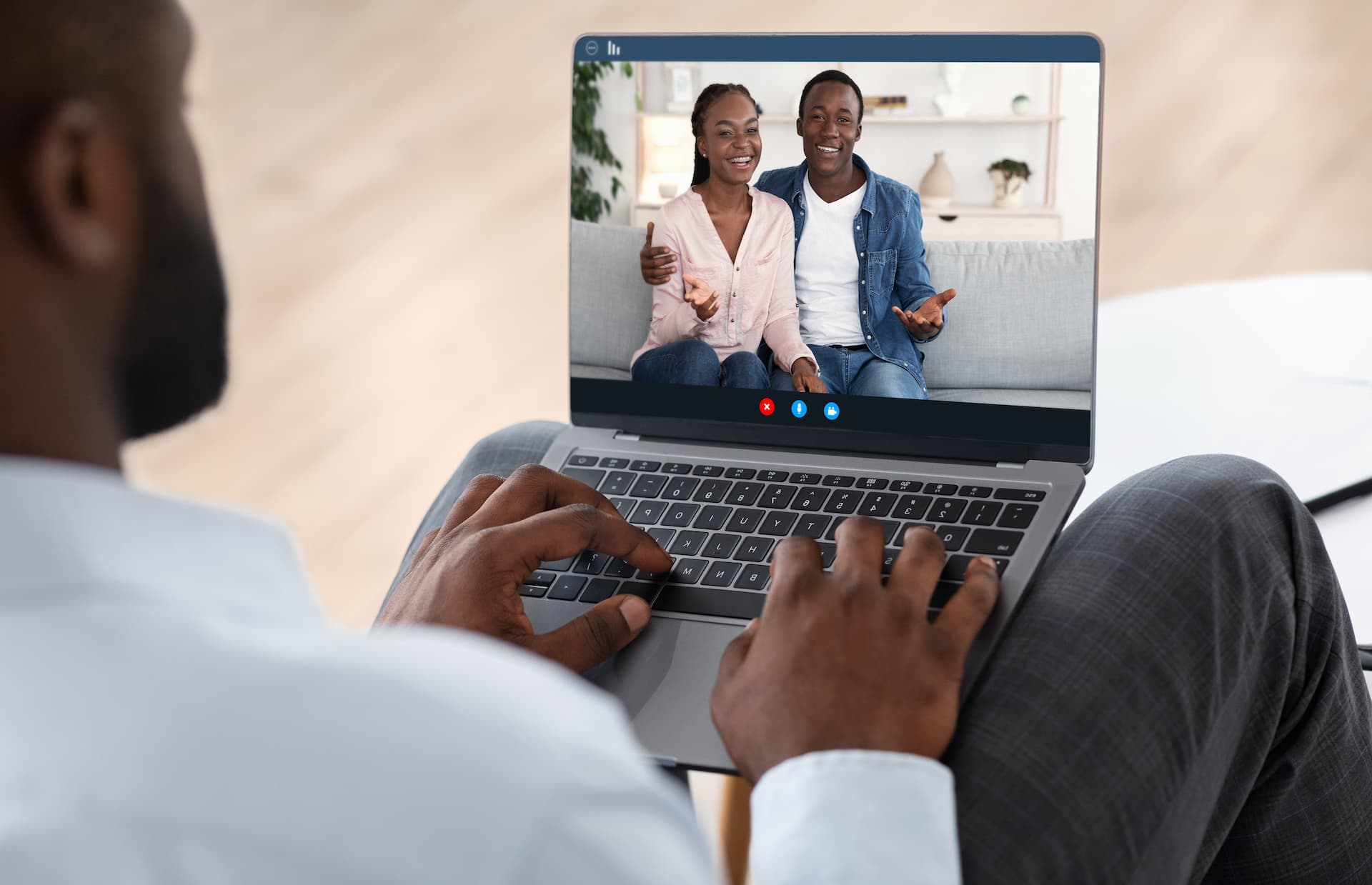
Virtual couples therapy brings partners and a couples therapist together through video appointments. Sessions focus on relationship concerns, including recurring disagreements, emotional distance, trust, and changing responsibilities.
The purpose is similar to office-based counseling: understand patterns that keep you disconnected, improve communication, and develop healthier ways to respond to each other. Online couples counseling can support dating, engaged, married, and long-term partners.
How Online Sessions Work
Before beginning, your provider explains the video platform, privacy requirements, and appointment procedures. You need a reliable internet connection, a device with a camera and microphone, and a quiet place where conversations cannot be overheard.
Partners may attend together or ask whether joining from separate locations is appropriate. Confirm arrangements with the therapist beforehand, especially when traveling.
During therapy sessions, your counselor guides discussion, helps each partner express concerns, and introduces exercises to practice between appointments. Participation involves listening and reflection, rather than simply describing what the other person does wrong.
Does Virtual Couples Therapy Actually Work?
Online couples therapy can help couples make meaningful changes. However, access to a video appointment does not automatically resolve longstanding difficulties. Progress involves recognizing patterns, practicing new responses, and returning consistently to shared goals.
Virtual marriage counseling also requires realistic expectations. Building trust or changing recurring conflict patterns usually takes more than one productive conversation.
What the Research Says About Outcomes
A randomized study published in 2022 compared a six-session behavioral relationship program delivered through videoconferencing with the same program delivered face-to-face. Thirty couples participated.
Both groups improved in relationship satisfaction and mental health, with no significant differences in improvement between delivery formats. Ratings of the therapeutic alliance—the working relationship with the therapist—also improved in both groups.
These findings are encouraging, but the study was small and examined a specific structured program. Partners in the video condition sat together, with the therapist in another room. Results should not be treated as proof that every online service works equally well for every relationship.
The practical takeaway is that video delivery can support effective relationship work when the approach and circumstances are suitable.
Virtual vs. In-Person Couples Counseling: Key Differences
Both formats create dedicated time to address your relationship. The main differences involve access, privacy, technology, and how comfortable you feel communicating in each setting.
Convenience and Accessibility
One of the benefits of online counseling is eliminating travel to appointments. That can make regular attendance more manageable when transportation, mobility, or demanding schedules create barriers.
Potential advantages include:
- Less time spent commuting and arranging transportation.
- Access from a suitable private setting.
- Easier coordination around work and other responsibilities.
- Opportunities to connect with an appropriate provider beyond your immediate neighborhood.
Convenience still requires preparation. Children, household interruptions, and work notifications can disrupt attention. Protecting appointment time matters just as much at home as it does in an office.
Building Connection Through a Screen
You may wonder whether a therapist can understand your relationship through a camera. The study discussed above suggests that a meaningful therapeutic connection can develop through video.
Still, personal preferences matter. Some partners feel comfortable discussing difficult subjects at home; others prefer the structure of a counseling office. Video delays, poor sound, or limited camera views may also interrupt conversation.
Tell your therapist if either partner feels overlooked or disconnected. Adjusting seating, taking turns, or the appointment format may help.
Who Is a Good Fit for Online Couples Counseling?
Virtual couples counseling may suit partners who can participate privately, use the technology reliably, and discuss concerns without fearing consequences afterward.
It may be worth considering when you want support with:
- Repeated disagreements that remain unresolved.
- Emotional distance or difficulty expressing needs.
- Changes involving parenting, work, or family responsibilities.
- Rebuilding connection and developing shared relationship goals.
Choosing among licensed therapists involves more than availability. Ask about experience with your concerns, approaches to couples work, and how progress is reviewed.
When In-Person Sessions May Be Better
Office appointments may be preferable when home offers little privacy, internet problems repeatedly interrupt sessions, or either partner struggles to stay engaged online.
Some concerns require a different care plan altogether. If there is intimidation, coercion, violence, or fear of retaliation, moving joint sessions into an office does not automatically make couples counseling appropriate. Discuss safety concerns privately with a qualified professional before proceeding.
Individual therapy may also be recommended when personal concerns or uncertainty about participation need attention first.
What to Expect From Your First Virtual Session
Your first appointment generally focuses on understanding why you are seeking help, your relationship history, and what each partner hopes to change. The therapist may ask how disagreements unfold and what you have already tried.
Expect discussion of confidentiality, participation expectations, technology problems, and whether online sessions meet your needs.
Before attending:
- Test your camera, microphone, and connection.
- Choose a private space and minimize interruptions.
- Consider one or two goals you want to discuss.
- Ask about fees and whether services are covered by insurance.
Insurance plans differ, so confirm benefits for the specific service rather than assuming all relationship counseling qualifies.
Is Virtual Couples Therapy Right for Your Relationship?
The right setting gives both partners room to speak, listen, and work toward realistic goals. Consistent participation and a suitable therapist can help you build a stronger foundation.
Mind and Body Counseling Associates supports partners facing communication difficulties, trust concerns, and relationship changes. Explore our couples therapy services in Reno or call (775) 507-7222 to discuss your needs and ask about current appointment formats.